
Risk &
Operational Safety
The objective is not merely to produce paperwork. Jedavy delivers straightforward, reliable health and safety support, turning complex legal requirements into clear systems. Our objective is to help organisations establish proportionate controls that comply with strict UK law and that people actually understand and apply in the field.
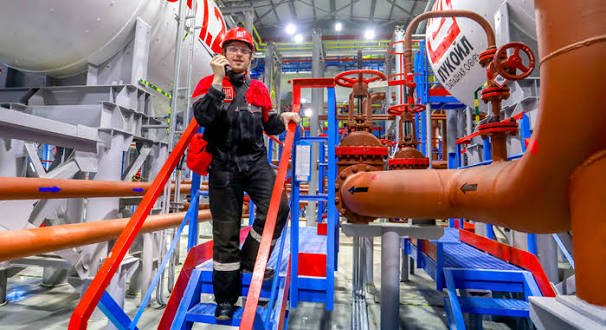
The Risk Management Cycle
A risk assessment sitting in a folder prevents nothing. Guided by IOSH members and Certified Safety Professionals, we lead organisations through a continuous cycle that turns hazard identification into verified operational protection. We don’t just know the rules; we know how they apply to real businesses like yours.
Identify
Systematic identification of hazards arising from people, equipment, materials, and processes.
Assess
Evaluation of likelihood, potential consequence, and the adequacy of existing controls.
Control
Establish proportionate elimination, engineering, or administrative safeguards.
Verify
Confirm through field evidence that the designated controls are actually implemented in the field.
Review
Monitor effectiveness and adapt controls when operational conditions or processes change.
Operational Safety Capabilities
We know exactly what regulators and clients look for. We provide everything from basic policy setups to complex compliance reviews, ensuring your operations meet rigorous UK legislation.

Hazard & Risk Assessment
Comprehensive identification of operational hazards and formal assessment of likelihood, consequence, and existing controls across all your operations.
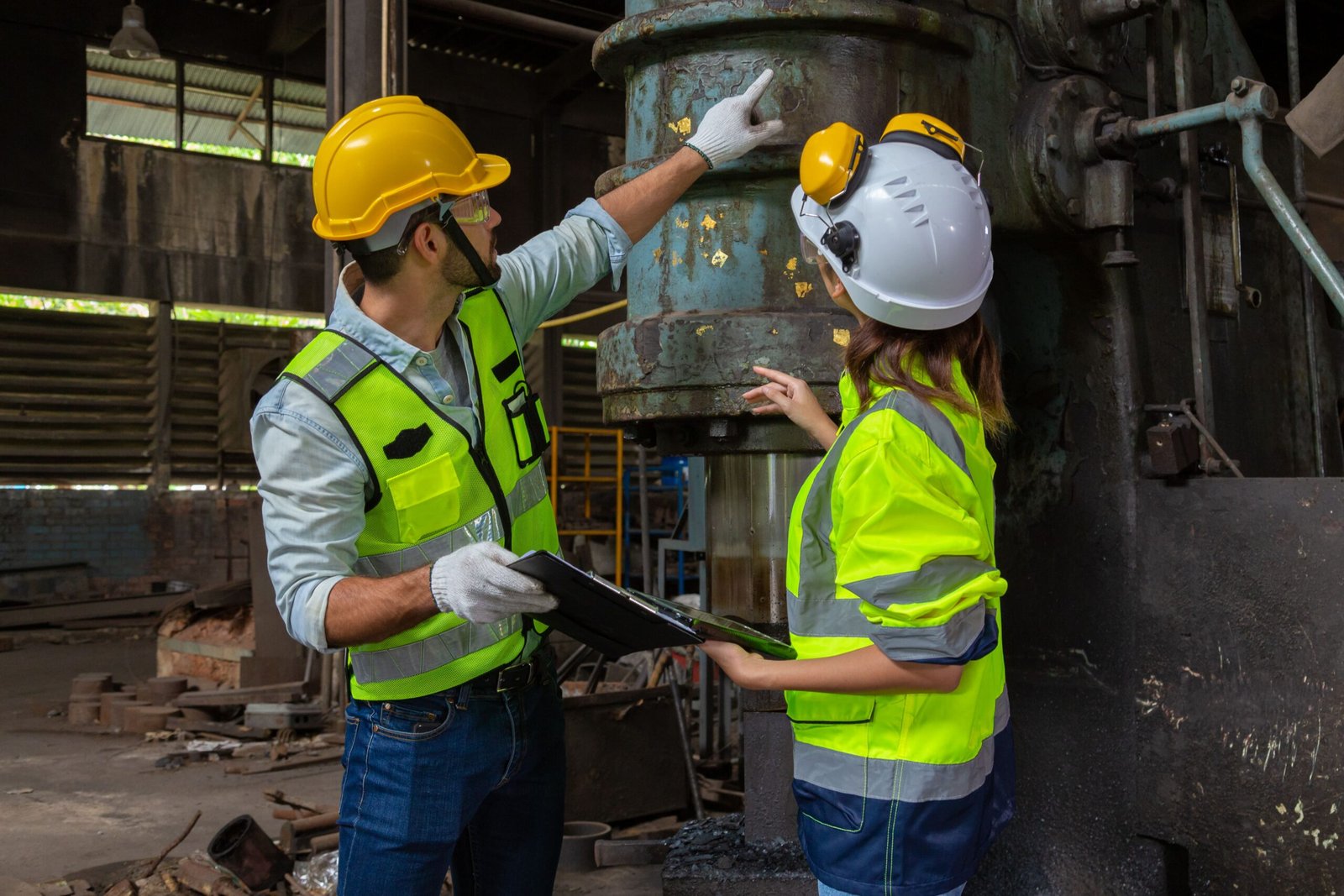
Job Safety Analysis (JSA)
Structured, step-by-step evaluation of specific work activities to identify task-level hazards and establish safe working parameters.
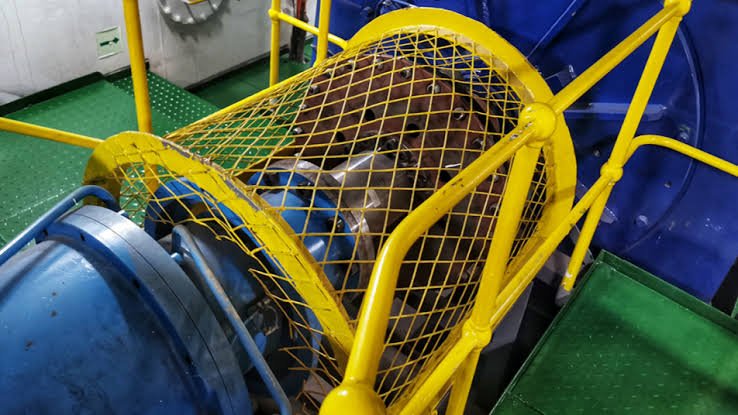
Control Effectiveness Review
Field-based evaluation to determine whether designed engineering and administrative controls are actively implemented and functioning.
Method Statement Review
Rigorous review of proposed work methods (RAMS) against identified hazards to ensure planned controls are adequate before work begins.
Safe Work Procedures
Development of clear, highly practical operating procedures specifically designed for hazardous, complex, or critical operational activities.
Emergency Risk Assessment
Identification of foreseeable emergency scenarios and assessment of organisational readiness and response capability.
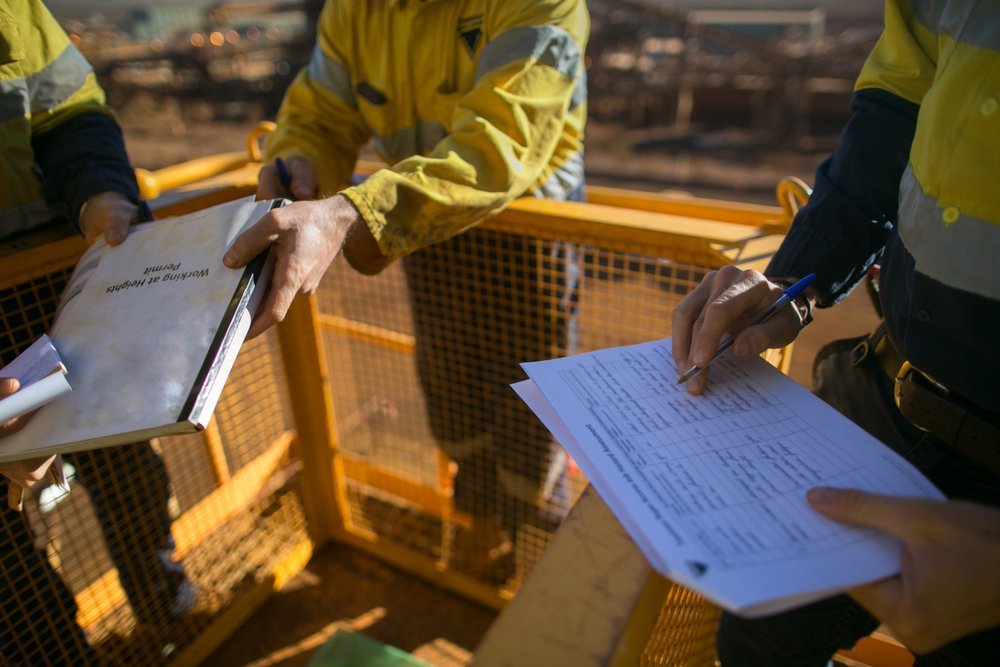
Critical Risk Management
Not every issue carries the same level of consequence. Our Critical Risk capability focuses explicitly on risks where a control failure could result in severe consequences, such as fatality, major fire, or significant asset damage. Our team holds NEBOSH Diplomas and has the real-world experience to protect your workforce.
High-Risk Focus Areas
The Critical Control Architecture
Hazard & Consequence
Identify the specific catastrophic event.
Critical Controls
Define the non-negotiable safeguards to prevent it.
Control Standard & Ownership
Specify exactly how it operates and who owns it.
Verification & Evidence
Determine how to prove the control is active in the field.
Book a Discovery Call
Speak with an HSE consultant
Let us understand your operational hazards and recommend the right risk management solution for your organisation, all guided by deep UK standards expertise. You get one dedicated point of contact handling your specific needs.
Stay Informed
Join 1,000+ HSE professionals
Get the latest insights on operational safety, risk management methodologies, and industry updates delivered to your inbox.